
From Screen to Site: Virtual Design, Real Installations
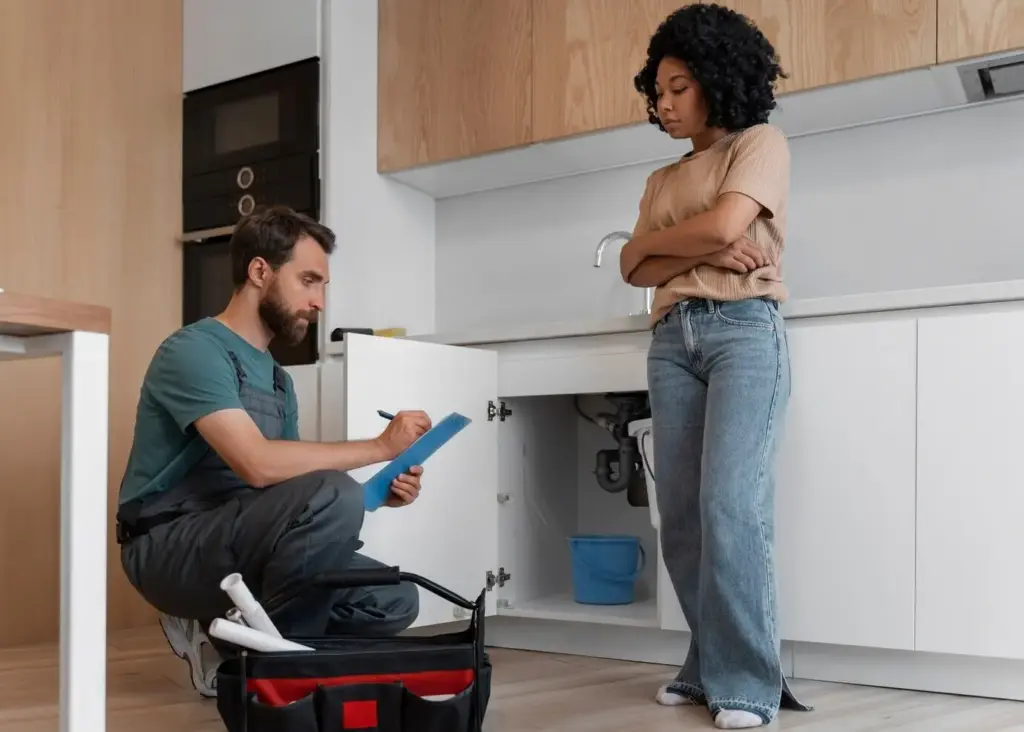
Welcome to Virtual Design with On-Site Installation: Remote-to-Real Transformations, where collaborative 3D modeling, immersive walkthroughs, and disciplined field execution turn bold ideas into reliable results. We’ll travel from first sketches on shared screens to final fixtures on real walls, aligning stakeholders, minimizing rework, and celebrating measurable progress at every step. Join the conversation, ask questions, and subscribe to follow practical playbooks, case stories, and tools that make remote decisions buildable, beautiful, and safe.

Laying the Digital Foundation

Every successful transformation begins by honoring existing conditions and clarifying intent. We capture constraints, goals, and brand voice while mapping utilities, clearances, and code triggers, so the digital canvas mirrors reality. Remote collaboration rooms keep everyone synchronized, ensuring decisions made on screens will survive tape measures, tolerances, and schedules once crews arrive. Share your biggest unknown, and we’ll show how to surface it early and de-risk installation.
High-fidelity LiDAR scans, photogrammetry, and disciplined site notes feed a coordinated model that reflects slopes, plumb deviations, and obstructions. As-built truth unlocks reliable quantities, clash detection, and exact mounting details, protecting budgets and schedules. In one rollout, a subtle corridor taper revealed by scanning saved costly millwork rework before fabrication. Ask for our reality-capture checklist to plan access, targets, lighting, and file formats with confidence.
Short, focused sessions on Zoom with shared canvases in Miro or FigJam bring brand stewards, operators, and builders into a single energetic space. We translate intent into spatial stories, ergonomic requirements, and finish palettes, then record choices with rationale to reduce churn. A signage alignment once resolved in twenty minutes saved a week of email loops. Subscribe to receive our workshop canvas template and facilitation prompts for your next meeting.

Immersive Walkthroughs That Reduce Rework

When users inhabit the space virtually, circulation bottlenecks, sightline conflicts, and awkward reach zones reveal themselves quickly. Remote teams annotate concerns directly on the model, and action items are tracked to closure. Case studies often report fewer change orders when walkthroughs are routine. In one lobby, a viewline to reception was caught before millwork fabrication, saving time and money. Want to experience this? Request a slot in our next guided walkthrough and bring a colleague.

Material Libraries and Lighting Simulations You Can Trust

Physically based materials, verified against real samples, help stakeholders choose finishes with confidence, while spectral lighting simulations flag glare and reveal nighttime moods early. We mail sample kits to decision makers and log approvals to avoid later disputes. The digital palette updates instantly across views, keeping everyone aligned. Curious about our spec sheet format and naming standards? Comment or subscribe, and we’ll send a downloadable bundle to accelerate your internal reviews.

Coordinated Shop Drawings, Right the First Time
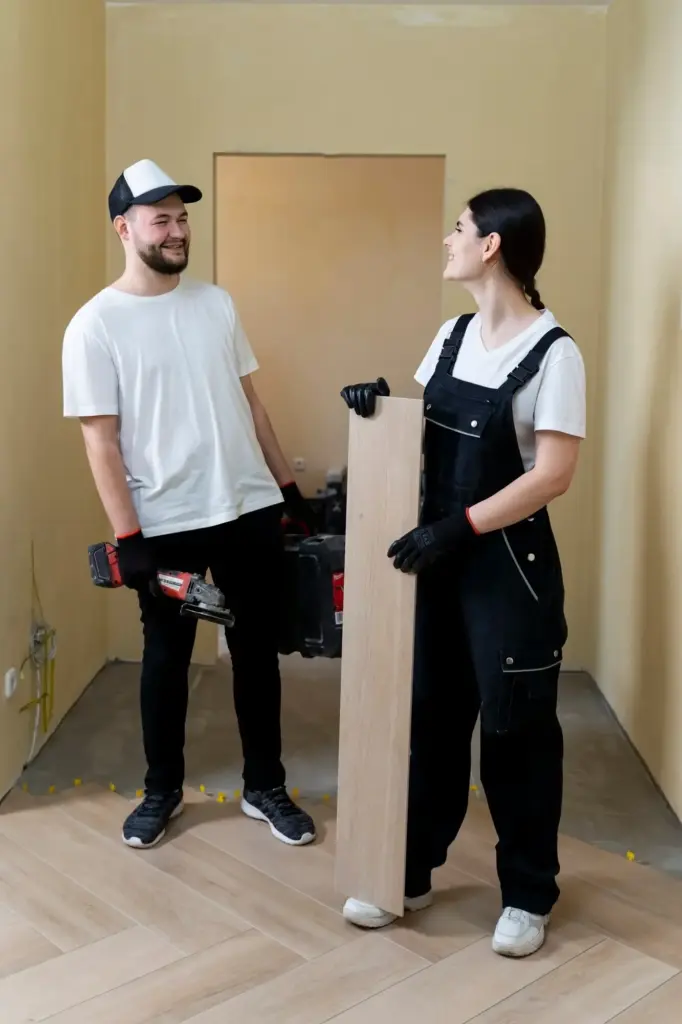
Trade partners generate shop drawings from a federated model, agreeing on datums, fastener types, and allowable tolerances before anything ships. Digital stamps track approvals and revisions. A signage fabricator once avoided an expensive remanufacture by checking slab camber against anchor standoffs in the model. Include a tolerance matrix and substrate notes on every sheet, and you will prevent many field questions. Comment to receive our example markup pack.

Installation Sequencing and Logistics That Respect Reality
Smart sequencing maps tasks to deliveries, access windows, and noise limits, turning a beautiful plan into a pragmatic schedule. We confirm elevator dimensions, corridor turns, crane time, and loading dock availability, then break down shipments to match the path. In a tight downtown site, micro-deliveries with reusable crates eliminated sidewalk storage and fines. Field teams love when the plan respects constraints they live with daily. Share your hardest logistics puzzle, and we’ll outline a tactic to try.

Field Communication Rituals That Keep Momentum

Daily standups, clear responsibilities, and lightweight photo updates keep everyone aligned without drowning crews in messages. Issues are logged in the cloud, assigned an owner, and validated with on-site snapshots. RFIs receive turnaround targets, and QR codes on sheets link directly to the latest details. Momentum builds when clarity is habitual. Try our fifteen-minute field huddle agenda, and tell us which prompt sparks the most productive conversations on your sites.

On-Site Installation, Augmented by Insight

Execution day should feel calm, coordinated, and confident. Foremen verify reference lines, installers use lasers and AR overlays to place anchors, and supervisors close the loop with documented checks. When something deviates, the team escalates with photos and model context, not frantic calls. Safety leads the culture, and quality follows. Have you tried headsets or robotic layout tools? Share your experiences and hardware tips with fellow readers below.

01

Augmented Reality Layout and Verification

AR aligns the model with real walls so crews can see exact centerlines, offsets, and mounting heights projected at full scale. Anchors are placed with confidence, and concealed services are avoided with model overlays. When calibrations drift, quick resectioning restores accuracy. Lighting conditions and reflective surfaces matter, so we coach teams on best practices. Want our field AR calibration guide and printable targets? Subscribe, and we’ll send the kit that made our crews effective within days.

02

Quality Control, Documentation, and Sign-Off Without Drama

Checklists tied to model elements confirm fixings, heights, tolerances, and surface protection before the next trade proceeds. Photos and measurements attach to each item, creating a transparent record that clients can review in real time. Tablet-based walks allow immediate punch closure with responsible parties present. One museum fit-out closed with zero open defects after final sign-off because every step left proof. What’s the one checklist line you never skip? Share it, and we’ll compile community favorites into an open resource.

03

Managing Unforeseen Conditions With Calm, Data, and Speed

Surprises happen: a hidden duct, a bowed wall, an unavailable fastener. We document reality, update the model, evaluate variants, and show impacts in hours using clear cost and schedule overlays. Clients choose with confidence because options are visual and quantified. Crews receive revised steps immediately, minimizing downtime. Treat deviations as lessons that strengthen the playbook. Want our rapid-change checklist for field leaders and project managers? Subscribe, and we’ll send the printable tool that has saved days on rollouts.

Sustainability Woven Through Every Decision

Low-Carbon Specifications That Still Look Stunning

We prioritize products with transparent Environmental Product Declarations, recycled content, and efficient manufacturing without compromising aesthetics or performance. Finish durability and maintenance cycles are considered alongside upfront carbon, ensuring the long view shapes selection. On one project, switching to recycled aluminum trims reduced embodied carbon significantly while elevating the edge detail. Want a starter supplier list and evaluation rubric? Comment or subscribe, and we will share our living document with frequent updates.

Design for Disassembly and Future Adaptability

Modular assemblies, reversible fasteners, and standardized hardware reduce demolition waste and make service access humane. We document disassembly steps directly inside the model, so future teams can refresh or relocate components gracefully. Builders appreciate how maintenance-friendly details shorten downtime. When spaces evolve, the investment endures. Interested in a case study outlining reversible wall systems and their installation tricks? Ask in the comments, and we will send a link with photos and diagrams.

Waste and Transport Optimizations That Add Up

Prefabrication and precise takeoffs reduce offcuts, while packaging take-back programs and supplier consolidation cut waste at the source. Just-in-time deliveries minimize site storage and double handling. Routing plans avoid idling, and on-site segregation increases recycling rates. Track bins, celebrate wins, and share lessons across teams. What is your smartest waste or logistics hack? Post it, and we will include highlights in future field guides for the community.

Measuring Outcomes and Learning Forward

{{SECTION_SUBTITLE}}

A Clear Dashboard of Progress and Results

Our baseline dashboard tracks schedule drift, cost movement, RFIs opened and closed, installation rate per day, and safety observations, with links back to model elements. Trends reveal where to intervene early and where to replicate success. Teams see the same truth in meetings, avoiding narrative battles. Want the spreadsheet and chart presets we use to present to executives? Comment below, and we’ll send the package with sample data and instructions.

Post-Occupancy Feedback That Leads to Better Spaces

After opening, we gather surveys, observe operations, and connect sensors where appropriate to understand comfort, acoustics, and wayfinding. Friction points guide targeted tweaks, from signage height to workstation spacing. Small adjustments compound into noticeable improvements for staff and guests. When feedback is structured and time-bound, teams respond decisively. Would a simple survey template help your next launch? Ask for our pack, and we will share question sets and timing tips that work.
Vazanozozelilufexe
Privacy Overview

This website uses cookies so that we can provide you with the best user experience possible. Cookie information is stored in your browser and performs functions such as recognising you when you return to our website and helping our team to understand which sections of the website you find most interesting and useful.